
Why I Could Play Beethoven but Couldn’t Play Worship Piano
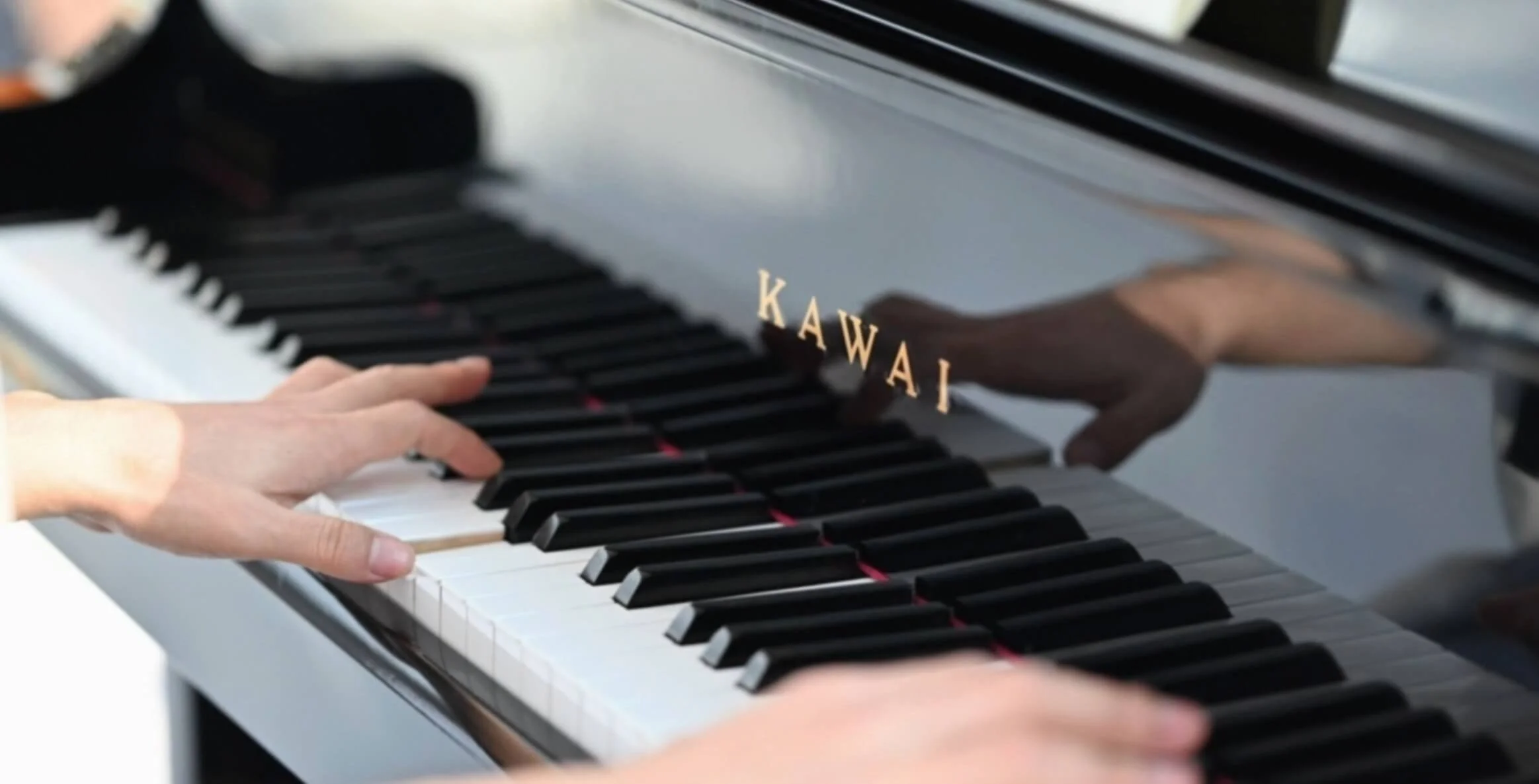
I was a classically trained pianist.
I studied Bach, Mozart, Beethoven, music theory, harmony, and all the things that come with earning a music degree. By the time I graduated, I had grown tremendously as a musician and had developed a strong technical foundation.
But there was one thing I still struggled with.
I couldn't play for worship.
I could read challenging music from a page, but when someone handed me a worship song with lyrics and chords, I felt stuck.
I knew how to study and perform music, but I had difficulty taking a simple worship song and making it my own.
At first, this was incredibly frustrating. How could I spend years learning difficult classical music and still not know what to do with a simple chord chart?
Eventually, I realized something important.
My training had taught me how to play music beautifully—but it hadn't taught me how to freely worship at the piano.
Traditional piano lessons taught me how to interpret music someone else had written. Worship piano often requires something different. It requires creating an accompaniment, supporting a vocalist or congregation, responding in the moment, and using your musical skills to serve rather than simply perform.
Those are valuable skills—but they aren't always taught in traditional piano training.
So I started learning.
I studied worship recordings. I watched countless videos. I searched for resources that could help me understand how worship pianists actually approached a song. Little by little, I began piecing together the skills that bridged the gap between classical piano and worship piano.
Along the way, I discovered that worship piano isn’t about playing the most impressive music.
It is about learning the right foundations, developing practical patterns, and using those skills intentionally to support the song and create space for worship.
But God was teaching me something even deeper.
I didn't just need to learn how to play worship songs.
I needed to learn how to worship while I played.
For a long time, I could sing in worship with my whole heart. But when I sat down at the piano, my focus shifted to the notes, the chords, and whether I was playing everything correctly.
Little by little, the Lord taught me to reconnect my heart with Him while I played.
I remember intentionally slowing down and simply playing a C chord as an act of worship. Then another chord. Then another. Over time, worship and piano stopped feeling like two separate things. My playing became an expression of my worship instead of a distraction from it.
That journey changed everything.
It also became the foundation for Adoration Music Academy.
As I learned these skills, I realized I wasn't the only one struggling. Many pianists—whether classically trained, self-taught, or returning to piano after years away—were experiencing the same frustration.
They didn't need more random tutorials.
They needed a clear, step-by-step path.
That's why I teach worship piano the way I do today: building strong foundations first, developing practical skills, and helping students grow in both their musicianship and their heart of worship.
If you've ever felt stuck, discouraged, or wondered why worship piano seems harder than it should, I want to encourage you.
You're not alone.
With the right guidance, these skills begin to fit together, and what once felt confusing becomes natural. More importantly, you can reach the place where your piano playing becomes an expression of your worship to the Lord.
If you're looking for a clear, step-by-step path to confidently play worship piano while keeping your heart centered on Jesus, I'd love to invite you to explore the our Worship Piano Membership. It was created to help you grow in both your skill and your worship—one step at a time.